
Winter comes with its own set of challenges for even the most experienced truck drivers—icy roads and poor visibility can make highways a lot riskier. Driving through snow and freezing temperatures takes extra caution and skill. In this blog, we’ll share eight must-know winter driving tips for truck drivers to help you stay safe and ready for anything the season throws your way.
From dealing with icy roads to improving visibility, we’ve got the info you need to tackle winter driving like a pro. Let’s dive in!
Challenges that Come With the Winter Months
When the snow starts falling and the sub-freezing temperatures hit, it can be a challenging time for truck drivers. Winter weather creates hazardous road conditions, making the already difficult job of driving a truck even more demanding.
Keep reading to learn some of the challenges that come with the winter season.
Icy Roads
Icy roads are a major challenge for truck drivers in the winter. Freezing temperatures and snow create slippery surfaces that make it tough to maintain traction and control.
Driving on icy roads takes extra care and skill, adding another layer of difficulty to an already tough job. Staying safe—both for yourself and others on the road—is critical, as the risk of skidding or accidents goes up in these conditions.
Reduced Visibility
During the winter months, reduced visibility poses a significant challenge for truck drivers. Snowstorms, fog, and heavy precipitation can severely limit the driver’s ability to see the road ahead.
The combination of these weather conditions with the shorter daylight hours can make it even more challenging to navigate safely.
Vehicle Maintenance Issues
Winter can be tough on truck drivers, especially when it comes to vehicle maintenance. Cold temperatures, icy roads, and harsh weather conditions can really impact how well trucks perform.
From dead batteries to frozen fuel lines, these issues can cause unexpected breakdowns and delays. That’s why keeping trucks in top shape during the winter is more important than ever for drivers handling the tough weather.
Delayed Deliveries
Winter weather can make it tough for truck drivers to stay on schedule. Icy roads, heavy snow, and unpredictable conditions often lead to road closures, slower speeds, and more traffic.
Drivers have to put safety first while navigating these challenges, which can sometimes mean delays in deliveries. Even with the most carefully planned routes, winter conditions can throw a wrench in the schedule.
Unpredictable Weather
Winter weather can be unpredictable, and that unpredictability brings big challenges for truck drivers. Sudden snowstorms, icy roads, and freezing rain can show up out of nowhere, making it tough to know what to expect.
These shifting conditions mean drivers have to stay on their toes and adapt as they go. It’s important to stay aware of potential weather risks and adjust your driving to keep yourself and others safe on the road.
8 Essential Winter Driving Tips for Truck Drivers to Keep You Safe
Ready to tackle winter driving like a pro? These eight tips will help you stay safe on the road and handle any challenges that come your way.
#1: Maintain a Safe Following Distance
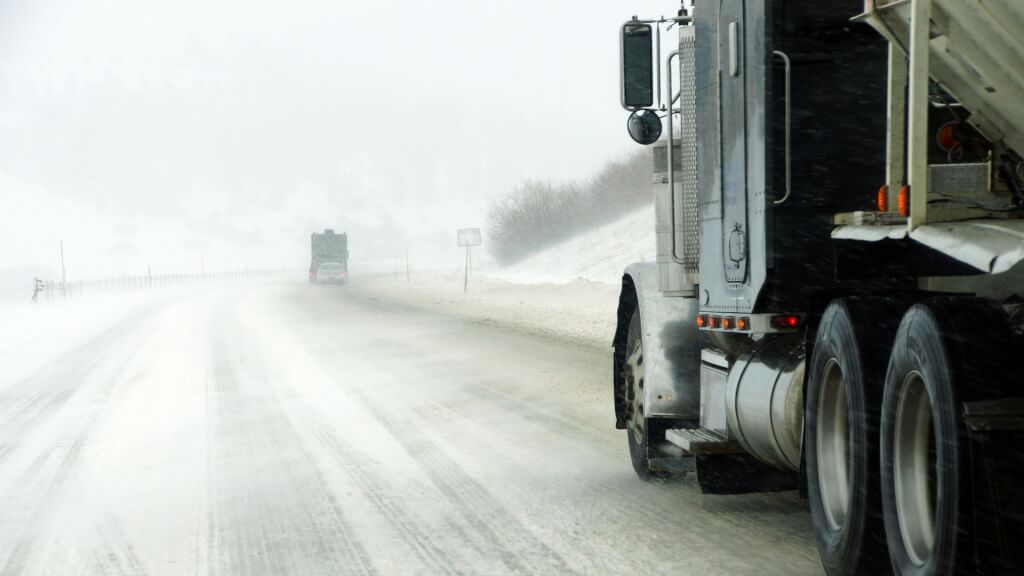
Keeping a safe following distance above your normal stopping distance is super important for truck drivers, especially in winter. Slippery roads and poor visibility mean you need extra space between your truck and the vehicle ahead. This gives you enough time to brake suddenly or avoid obstacles if needed.
Experts suggest leaving at least 7 to 8 seconds of space, and you should adjust that depending on the weather, visibility, and the size and weight of your truck. By keeping that safe distance, you’ll have more time to react to surprises on the road, helping to prevent accidents and keeping everyone safer.
#2: Check Weather and Road Conditions Frequently

Before hitting the road this winter, it’s important for truck drivers to stay on top of the latest weather and road conditions.
Winter can be unpredictable, with sudden snowstorms or icy patches making driving tricky. By keeping an eye on weather forecasts and road updates, you can make smarter decisions and adjust your driving as needed.
Watch out for weather advisories, warnings, or closures along your route, and don’t hesitate to consider alternative routes if things look dicey. Staying informed is the best way to ensure a safe and hassle-free trip during the winter months.
#3: Conduct a Thorough Pre-Trip Inspection

Before you hit the road this winter, it’s important to do a thorough pre-trip inspection to make sure your truck is ready to handle the challenges of cold weather. Here’s a quick checklist to help you prepare:
- Tires: Check your tire tread depth and pressure to make sure they’re good to go for winter conditions. Winter-specific tires are a great option for better grip on icy or snowy roads.
- Lights and Reflectors: Test all your lights—headlights, brake lights, turn signals, you name it. Clear off any snow or ice so they’re bright and easy to see.
- Windshield Wipers: Look for any cracks or chips in your windshield; cold weather can make those worse. If your wiper blades are worn out, swap them for new ones to keep your view clear in rain or snow.
- Battery: Cold temperatures can mess with your battery, so check the charge and clean off any corrosion on the terminals. Make sure it’s securely connected.
- Fluids: Top off all your essential fluids—engine oil, coolant, and windshield washer fluid. Winter-grade fluids can help everything run smoothly in freezing temps.
- Brakes: Make sure your brakes are responsive and in good shape. Cold weather can mess with how well they work, so it’s worth keeping an eye on them.
- Heating and Defrosting System: Double-check that your heating and defrosting systems are working properly. Staying warm and keeping your windshield clear are essential for safe winter driving.
Taking a little time to do a solid inspection can help you catch any potential problems before they turn into bigger issues out on the road.
It’s a simple step that can save you a lot of headaches and keep your winter trips smooth and safe.
#4: Have Snow Chains On Hand
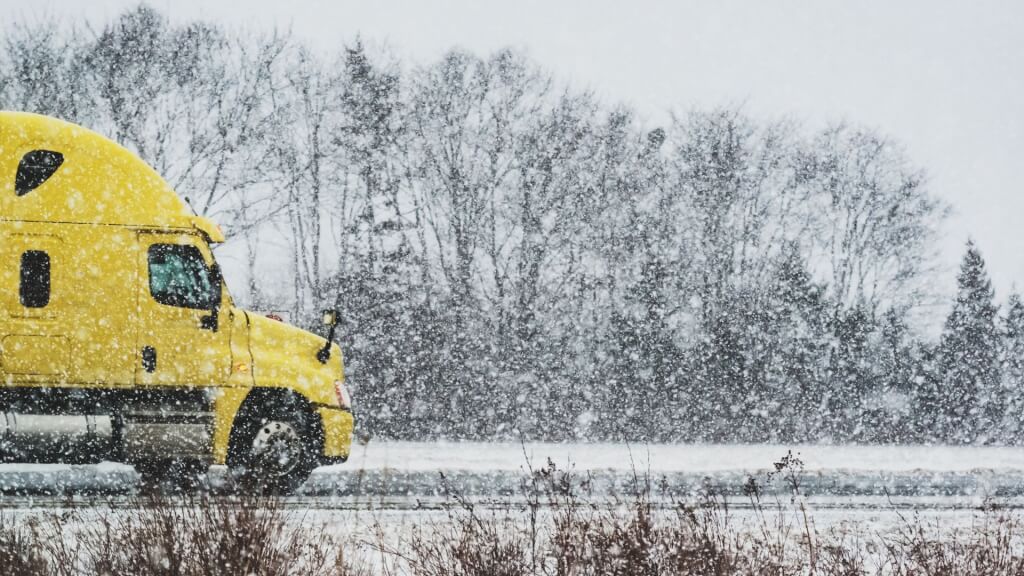
If you’re driving in winter, having snow chains is a must for staying safe. They give your tires the grip they need on icy or snowy roads, making your truck more stable and easier to control. Snow chains are especially handy in hilly or mountainous areas that get a lot of packed snow.
Before you head out, make sure your chains are in good shape and fit your tires properly. Take some time to learn how to install them so you’re ready to go when needed.
Chains can make a huge difference in tough winter conditions, helping you drive with confidence and get to your destination safely.
#5: Take Things Slower
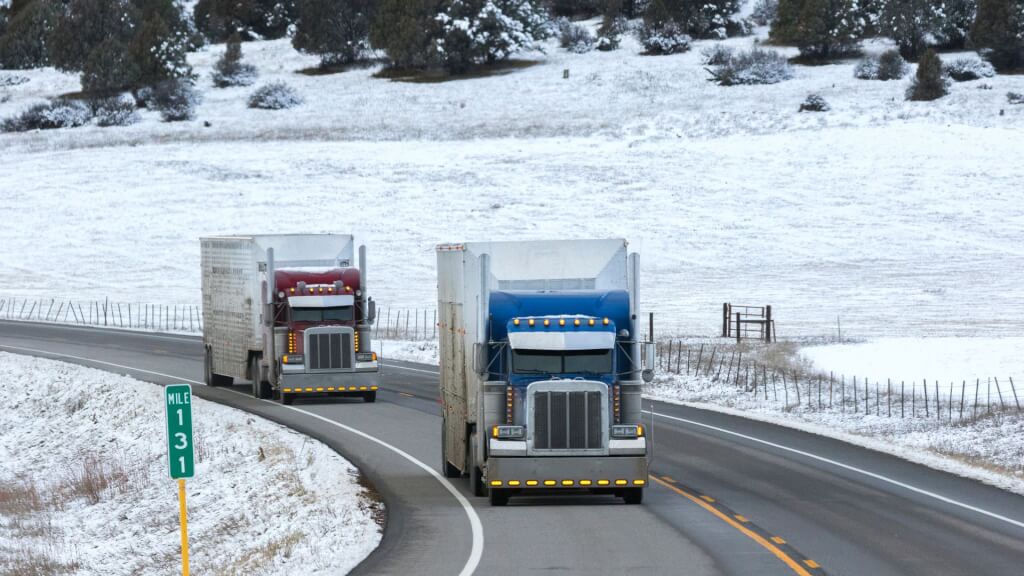
When driving in winter, it’s super important to slow down. Snow, ice, and slush make the roads slippery and reduce traction, so controlling your truck gets a lot harder. To stay safe (and keep others safe too), drive at a lower speed and leave plenty of room between you and any cars ahead.
Slowing down gives you more time to react to sudden changes and makes braking or steering easier if something unexpected happens. It’s always better to get there a little later than risk rushing and getting into an accident.
Taking it slow helps you stay in control and greatly lowers the chance of skidding or losing control in tricky winter conditions. Stay safe out there!
#6: Plan Your Routes Carefully
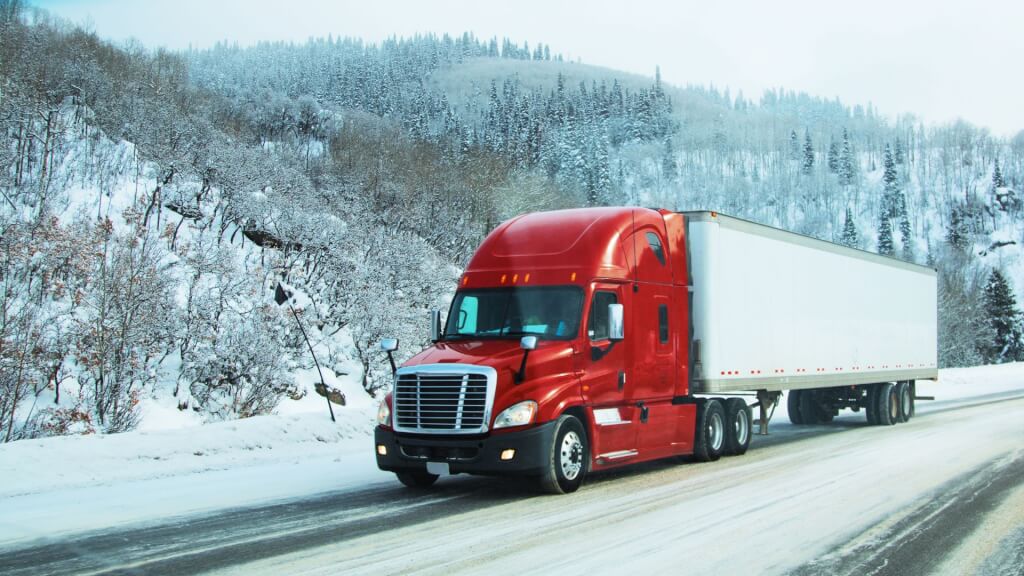
For truckers, careful route planning is key, especially in winter. Before hitting the road, make sure to check the weather, road conditions, and any potential hazards ahead. Stay on top of road closures, detours, and alternative routes to keep your trip as smooth and safe as possible.
Using a GPS designed for truckers is a great idea—it’ll give you real-time info on road conditions, low-clearance bridges, and truck-friendly routes. With some smart planning, you can avoid dangerous roads, steer clear of getting stuck, and get to your destination safely and on time.
#7: Keep Emergency Supplies Handy
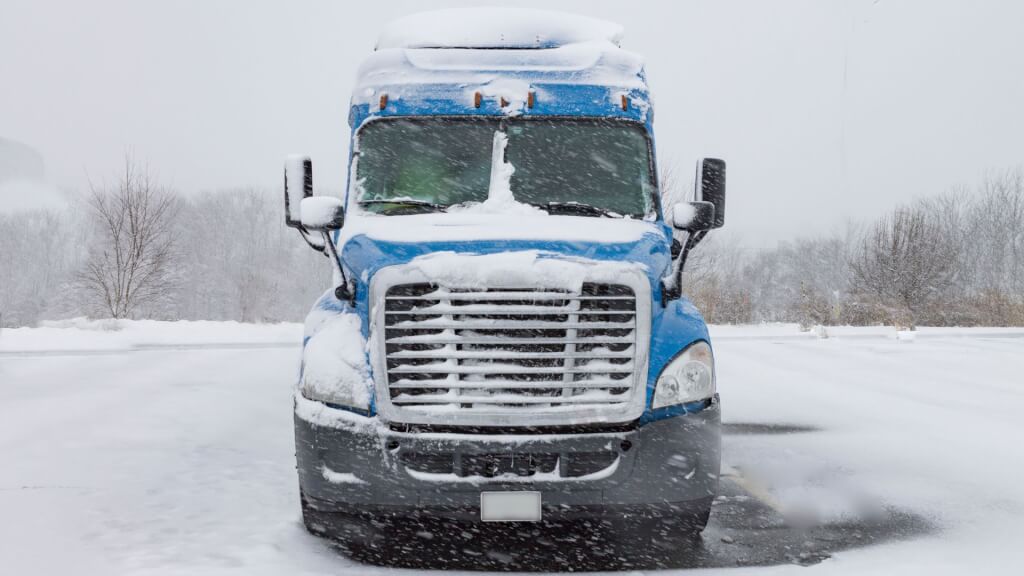
As a trucker, being ready for the unexpected is key—especially when you’re out on the road in tough winter conditions. Having emergency supplies on hand can give you peace of mind and keep you safe. Here’s what you should pack in your kit:
- Warm Clothes and Blankets: Bring extra warm clothes like hats, gloves, thick socks, and blankets to stay warm if you break down or get stuck somewhere.
- Non-Perishable Food and Water: Keep a stash of snacks, energy bars, and bottled water to hold you over during delays or road closures.
- Medications and First Aid Kit: Make sure you have any medications you need, plus a good first aid kit for minor injuries or emergencies.
- Roadside Tools: Be ready for vehicle issues with a flashlight, extra batteries, jumper cables, a tire pressure gauge, a multitool, and a portable phone charger. You never know when these might come in handy—for you or someone else.
- Warning Gear: Pack reflective triangles, road flares, or a reflective vest to increase visibility and keep others aware if you’re dealing with a breakdown.
- Battery-Powered Radio: A battery-powered radio can be a lifesaver if you’re stuck somewhere without cell service. It’ll help you stay informed on weather, road conditions, and any emergency notifications.
Having these items in your truck means you’re ready to handle whatever comes your way, keeping yourself and others safe on the road. Stay safe and stay prepared out there!
#8: Stay Alert and Focused
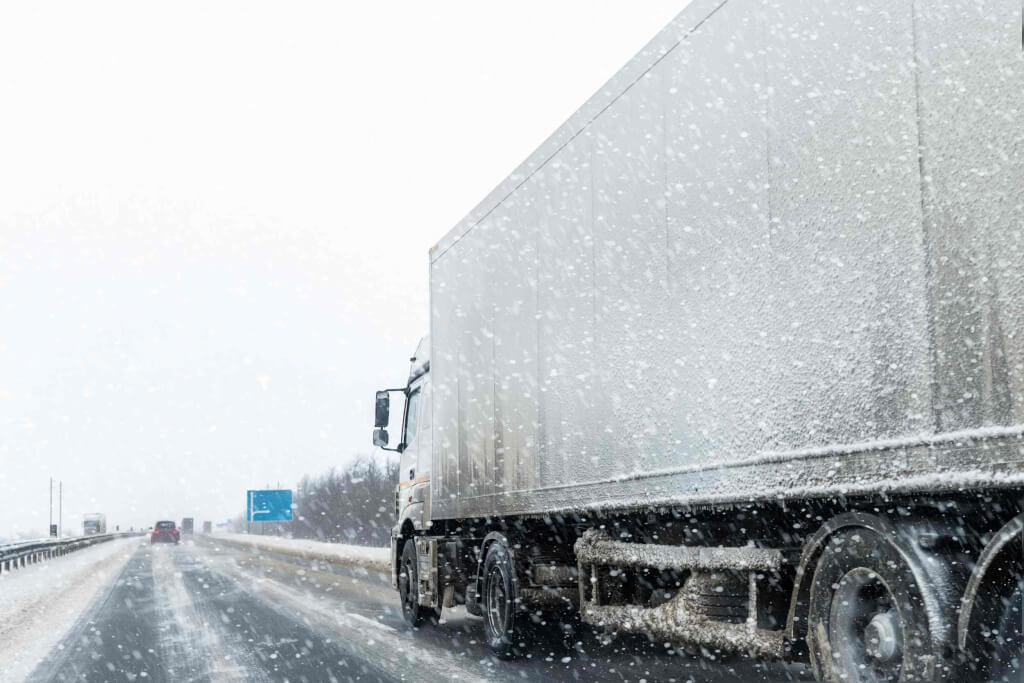
During the snowy season, it’s especially important for truckers to stay alert and focused on the road. Take regular breaks to fight off fatigue and stay clear-headed.
Also, avoid distractions like using your phone or eating while driving—your full attention should be on the road. By staying focused, truckers can handle winter challenges with confidence and help keep the roads safer for everyone.
Stay Safe on the Roads this Winter Season
Winter roads come with their own set of challenges, so it’s important to stay safe and prepared. By keeping these tips in mind, truckers can tackle the season with confidence, protecting themselves and others on the road.
Stay alert, keep a safe distance from other vehicles, and adjust your driving to match the weather. With these precautions, you can hit the road knowing you’re helping keep things safe out there this winter. Drive safe and take care!
